

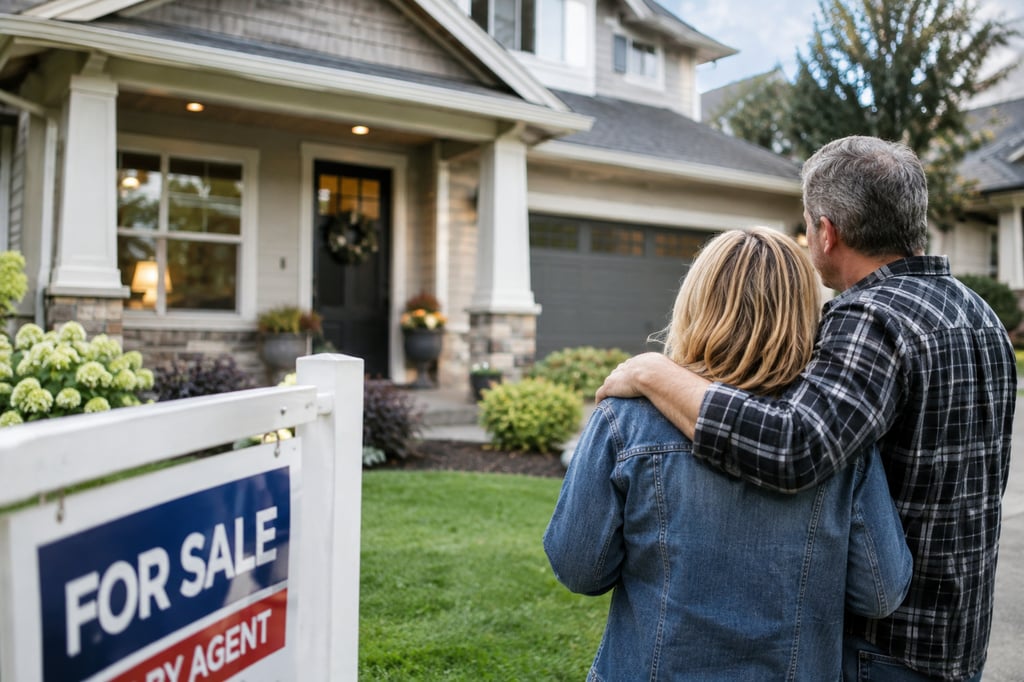
One of the more frustrating experiences for a homeowner is putting a house on the market at a reasonable price, only to watch it sit there.
The natural assumption is that the price must be wrong.
And sometimes it is.
But there’s an important distinction that homeowners often overlook: What a home is worth and what makes someone want to buy it aren’t necessarily the same thing.
A home can be priced appropriately based on comparable sales, its condition, location, and features, and still struggle to attract buyers.
Why?
Because buyers don’t shop for houses using spreadsheets alone.
Buyers Don’t Compare Homes the Way Appraisers Do
An appraiser might evaluate two homes and conclude that they’re worth approximately the same amount.
Perhaps both have four bedrooms, two and a half bathrooms, 2,200 square feet, similar lot sizes, and comparable locations. On paper, they’re nearly identical. But walk through both homes and you might have two very different experiences. One has great natural light, a comfortable layout, inviting furniture, and a backyard that feels like an extension of the living space.
he other has dark rooms, oversized furniture, cluttered countertops, and a backyard that looks like a weekend project waiting to happen.
The underlying real estate might have similar market value. But one house makes buyers excited. The other makes them start calculating how much work they’ll need to do.
And excitement matters.
Buyers Are Often Looking for Reasons to Say No
Most buyers have a budget. They have preferences. They have compromises they’re willing to make and others they aren’t. When they walk into a home, they’re evaluating all of those things, often within the first few minutes. A strange smell? That’s a concern. A dark living room? Another concern. A room that seems too small because it’s filled with furniture? Now they’re questioning whether the house is big enough.
Individually, these things might be minor. Collectively, they can make an otherwise good home feel like the wrong choice. And here’s the frustrating part: many of these objections have little to do with the property’s actual value.
They’re problems with presentation.
The Competition Isn’t Just Other Houses. It’s the Buyer’s Expectations.
When someone shops for a home, they’re not evaluating your property in isolation. They’re comparing it to every other home they’ve seen, both in person and online. And they’re comparing it to an idealized version of what they hope to find. Your house doesn’t have to be perfect. But it does need to make a compelling case for why someone should choose it over the alternatives.
That’s why I think sellers sometimes underestimate the importance of preparation. Professional photography isn’t about making a house look like something it isn’t. It’s about showing the house at its best. Staging isn’t about convincing someone that a bedroom is larger than it is. It’s about helping them understand how the space can function. And good marketing isn’t simply a list of features. It’s an explanation of why those features might matter to someone.
There’s a big difference between telling a buyer that a home has a covered patio and helping them imagine enjoying that patio on a warm summer evening.
Price Still Matters. A Lot.
None of this means that good presentation can overcome an unrealistic asking price. It can’t. You can have the best photography, beautiful staging, and an excellent marketing campaign, but if your house is priced well above the competition, buyers may simply move on.
However, the opposite is also true.
A reasonable asking price doesn’t excuse poor preparation or weak marketing.
And this is particularly important when buyers have more choices and feel less urgency to make an offer. In a very competitive seller’s market, buyers may overlook imperfections because they’re worried about missing out. When the market slows, those imperfections become easier to notice and harder to ignore. The house hasn’t necessarily changed. The buyer’s willingness to compromise has.
The Goal Isn’t Just to Establish Value. It’s to Create Demand.
When I help someone prepare to sell, there are really two separate questions to answer.
First, what is the market likely to pay for this property?
Second, how do we make buyers want this particular property?
The first question involves comparable sales, market conditions, property features, and pricing strategy. The second involves preparation, presentation, photography, marketing, and understanding what buyers in that price range are looking for. You need both. Because the best possible outcome isn’t simply having a home that’s worth the asking price. It’s having a home that buyers recognize as worth pursuing.
And those are two different things.
One Final Thought
If your home has been sitting on the market without much interest, the price deserves a serious look.
But it’s worth asking a few other questions, too. Are buyers seeing the property’s best features? Does the presentation help them understand how they could live there? Does the home compare favorably with the alternatives? And are there avoidable objections getting in the way?
Sometimes the solution is a price adjustment. Sometimes it’s better preparation, stronger marketing, or a different approach to positioning the property. And sometimes it’s a combination of all three.
A home’s market value gives buyers a reason to consider it. How it’s presented can give them a reason to choose it.
Successful selling requires understanding both.