

Do Quirks Help or Hurt Your Home Sale and Price? A Portland Seller’s Guide
The short answer sellers don’t want to hear: your quirks can go either way, and you’re probably too close to your own house to know which will help or hurt your home sale.
There’s a reliable pattern in real estate conversations. A seller describes their home, mentions something unusual about it – the layout, a converted space, a staircase – and then adds, almost as a footnote: “but buyers love that about it.” Sometimes they’re right. More often, they’ve just lived with the thing long enough that they stopped seeing it as a quirk.
This guide explains the actual mechanism behind how unusual home features affect sale price in the Portland Metro market, which quirks consistently add value here, which ones create friction, and what a good agent is actually supposed to do about it.
The One Rule That Governs All of It
Home features — quirky or otherwise — affect your sale price through a single mechanism: they either expand your buyer pool or shrink it. They increase the sense of urgency or they kill it.
That’s the whole equation.
A feature that expands your buyer pool increases demand, which holds price and often pushes it above asking. A feature that shrinks your buyer pool reduces competition, which gives buyers negotiating leverage and drags your price down, sometimes significantly, sometimes quietly through extended days on market.
Everything else is a downstream consequence of that one variable.
The core question to ask about any unusual home feature is whether it increases or decreases the number of qualified buyers who would want the home. Features that appeal to a broader audience support higher prices; features that eliminate buyers from consideration reduce them.
Portland Quirks That Genuinely Add Value
Single-level living with a flat yard
In a city built on hills, with a housing stock that skews heavily toward two-story Craftsmans and split-levels on pitched lots, a single-level home with a flat, usable yard is a genuine anomaly. And it’s one with a wide, motivated buyer pool.
Who wants it? Buyers with mobility considerations. Families with young children. Aging-in-place buyers. Dog owners. Anyone who’s done the math on hiring out lawn maintenance. The appeal cuts across demographics and price points in a way that almost no other feature does.
This is a quirk that works for you.
Detached ADU or permitted in-law suite
Portland’s housing policy environment has made accessory dwelling units (ADUs) highly desirable. A detached ADU represents rental income potential, multigenerational living flexibility, or a home office that doesn’t share walls with your living room. Buyers understand what it is and what it’s worth.
Permitted matters here. An unpermitted ADU – which is common in Portland’s older neighborhoods – is a different conversation and can create disclosure complications.
Historic character that’s actually been maintained
Period details – original hardwood floors, built-in cabinetry, vintage tile – attract buyers who actively seek them out, and they’re features that can’t be replicated cheaply. They expand your pool by bringing in buyers who are specifically hunting for them, while rarely being dealbreakers for buyers who simply prefer modern finishes (those buyers likely wouldn’t have been your buyer anyway).
Portland Quirks That Hurt Your Sale
The converted garage bedroom
Conversion bedrooms – spaces that were once garages, sunrooms, or utility rooms and have been finished into sleeping quarters – create a specific problem: they almost never match the square footage or bedroom count that appears in the listing.
Here’s why that matters. Buyers search by bedroom count. A three-bedroom search result that walks buyers into what is obviously a converted space triggers skepticism, not just about the room, but about the whole property. What else was converted? What else wasn’t permitted?
Even when the conversion was done well and permitted correctly, many buyers will discount it, especially if it lacks a closet, has low ceilings, or doesn’t have the egress window that code-compliant bedrooms require. Or worse, it still has the big garage door.
A spiral staircase as primary access
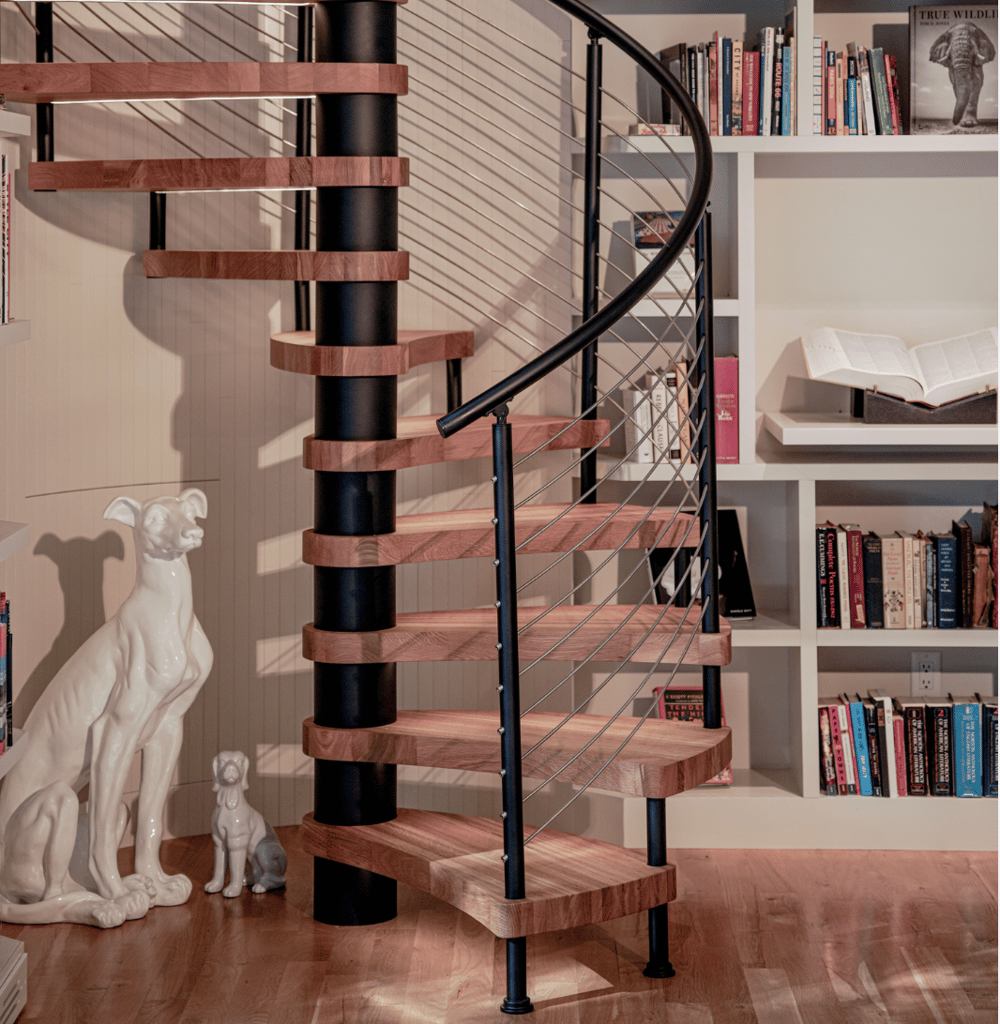
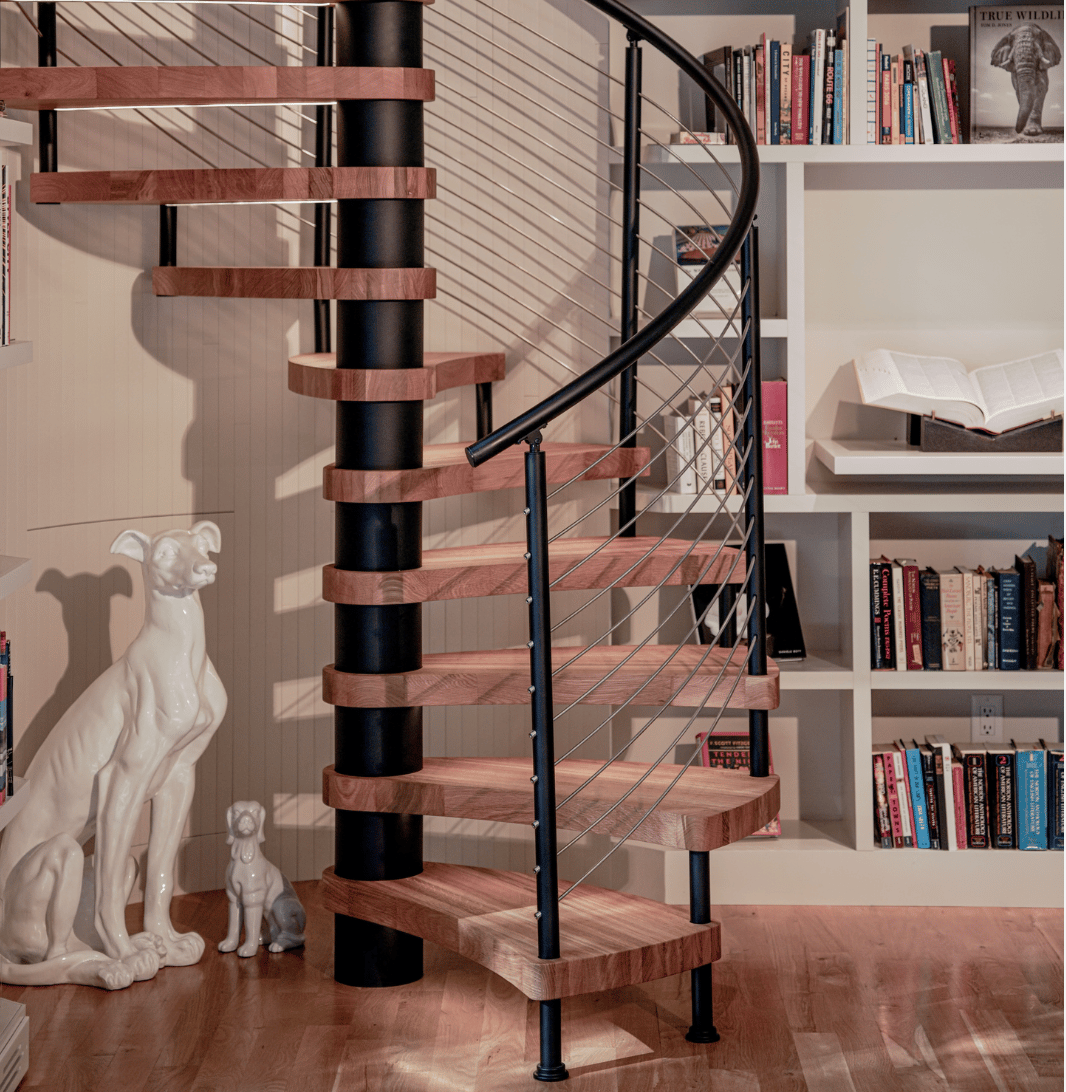
Spiral staircases are a style decision. As a secondary feature – access to a loft, a wine cellar, a rooftop deck – they read as a design detail. As the only way to get from one floor of your home to another, they’re a functional liability.
Who can’t navigate them easily? Anyone moving furniture. Anyone with young children who need to be carried. Anyone with limited mobility. Anyone who’s ever had to get a large appliance up or down one. That’s a long list of buyers who will either pass on your property or factor the eventual cost of replacement into their offer.
Eleven years in, you stopped noticing it on day four. Buyers notice it immediately.
Walk-through rooms
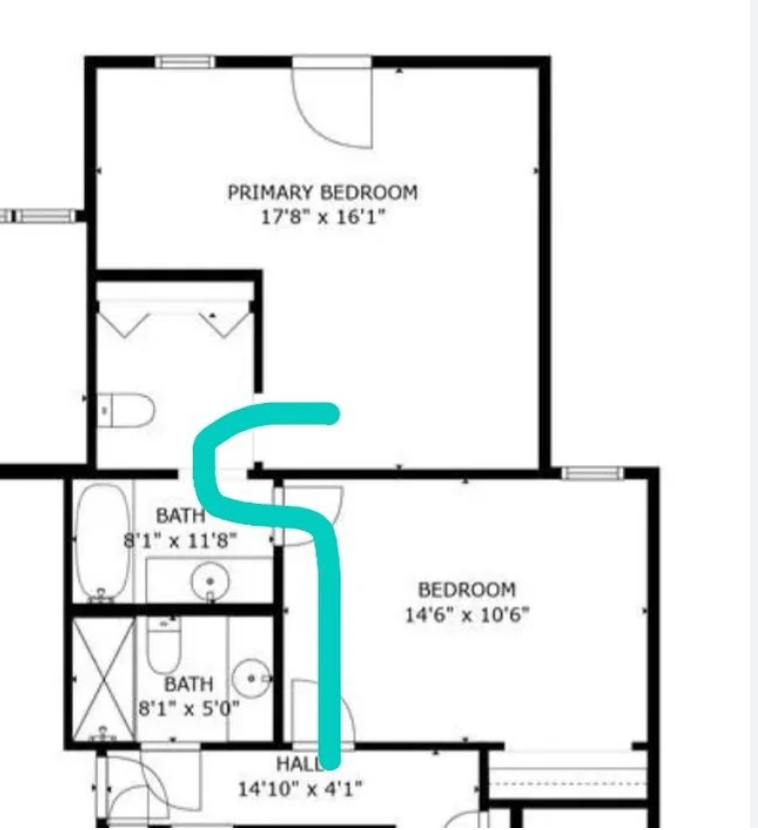
Any layout that requires foot traffic through one room to reach another, most commonly a master bedroom that doubles as a hallway to the kitchen or another bedroom, creates a hierarchy problem. That room can’t function the way a primary suite should function, and buyers know it.
This layout issue is particularly hard to remedy without structural changes, which means it tends to live in the listing forever, and sophisticated buyers will price accordingly.
Why Sellers Almost Always Misjudge This
Familiarity is the core problem. You’ve made peace with every limitation of your home. The spiral staircase is just the stairs. The walk-through room is just how you get to the kitchen. The garage bedroom is just where your kid sleeps.
Buyers walk in cold. They haven’t habituated. They see the functional friction immediately, and their brain starts doing math about what it would cost to fix it — or whether they want to deal with it at all.
This is a known cognitive bias in real estate, sometimes called the endowment effect: we assign higher value to things we own than objective observers do. It’s not a character flaw. It’s just how ownership works. But it’s a real problem when you’re trying to accurately price an asset worth several hundred thousand dollars.
Research in behavioral economics consistently shows that homeowners overvalue their properties relative to market assessments, partly due to the endowment effect and partly due to loss aversion around accepting that improvements they paid for may not have returned their full cost.
What a Good Agent Actually Does With This
The job isn’t to validate your list price. Any agent can do that; you want to hear it, so agreeing with you is the path of least resistance for them.
The job is to tell you honestly which of your home’s unusual features are working for you and which ones are going to sit in your listing photos making buyers nervous. Then help you decide what to do about it: price adjustment, presale improvement, or strategic framing in the marketing that acknowledges the feature rather than trying to hide it.
Buyers find out everything anyway. The goal is to get ahead of it.
Frequently Asked Questions: Home Quirks and Sale Price in Portland
Does a converted garage hurt home value in Portland? It depends on the quality of the conversion and whether it was permitted. An unpermitted conversion creates disclosure and appraisal complications. Even a permitted, well-done conversion often appraises at a discount compared to original square footage, and can trigger buyer skepticism in showings.
Do spiral staircases affect home resale value? As secondary access to supplemental space, they’re generally neutral. As the primary staircase between floors, they meaningfully shrink the buyer pool — particularly for families with young children, buyers with mobility considerations, and anyone thinking practically about furniture or appliances. That smaller pool typically produces lower offers or longer market time.
What home features add value in the Portland Oregon market specifically? Single-level homes with flat yards are disproportionately valuable given Portland’s topography. Permitted ADUs carry strong demand driven by the city’s housing policy environment. Maintained historic character in older neighborhoods also tends to attract a premium buyer profile. These are features that work with Portland’s specific housing stock, not against it.
How do I know if my home’s unusual features will help or hurt my sale? Ask an agent who will tell you the truth rather than agree with your assumptions. The test is simple: does this feature make your home more appealing to more buyers, or does it give buyers a reason to cross you off the list? That’s a factual question with a reasonably clear answer — but it requires someone willing to give you an honest assessment.
Ready to Talk About Your Home?
I’m Dan Walters, a Portland Metro real estate broker and licensed mortgage broker with The W Group. If you’re thinking about selling and want an honest read on which features are working for you — and which ones you should get ahead of — I’m happy to take a look.
This is the conversation a good agent should have with you before you list, not after the first price reduction.
503-381-5161
Dan@urbanmaple.com
Real Estate powered by Keller Williams, license 200302144
Mortgage powered by Morty, Inc NMLS 2721869
Dan Walters is a licensed Oregon real estate broker and NMLS-licensed mortgage broker serving the Portland Metro area under The W Group.
Frequently Asked Questions
Talk with an agent. You can do some research on your own as well, but an agent will know how well your home's attributes fit today's market for a home like yours in that location. A positive in one home may far outshine that in another, based on things like architecture and neighborhood. It's not always just a matter of the feature/quirk itself.